လျှပ်စစ်ဈေးနှုန်းသည် ကမ္ဘာတစ်ဝန်းတွင် ဆက်၍ပြောင်းလဲနေသောကြောင့် စီးပွားရေးလုပ်ငန်းများစွာသည် ထပ်တူမေးခွန်းကို မေးနေကြသည်။
စွမ်းအင်သိုလှောင်မှုသည် စီးပွားရေးနှင့် စက်မှုအဆောက်အအုံများအတွက် အမှန်တကယ်အကျိုးရှိပါသလော။
အဖြေတိုမှာ ဟုတ်ပါသည်—ကောင်းစွာပုံစံပြုထားသည့်အခါ စွမ်းအင်သိုလှောင်စနစ်များသည် လုပ်ငန်းဆောင်တာကုန်ကျစရိတ်ကို သိသိသာသာ လျှော့ချနိုင်ပြီး စွမ်းအင်ယုံကြည်စိတ်ချမှုကို တိုးတက်စေနိုင်ပြီး အချို့ဈေးကွက်များတွင် ထပ်ဆင့်ဝင်ငွေကိုပင် ရရှိစေနိုင်သည်။
စီးပွားရေးလုပ်ငန်းများ စွမ်းအင်သိုလှောင်ရေးတွင် ရင်းနှီးမြှုပ်နှံရသည့်အကြောင်းရင်း
စီးပွားရေးနှင့် စက်မှုလျှပ်စစ်ဓာတ်အား သုံးစွဲမှုတွင် မြင့်မားသော အမြင့်ဆုံးလိုအပ်မှုနှင့် လျှပ်စစ်ဈေးနှုန်း မတည်ငြိမ်မှုတို့ပါဝင်လေ့ရှိသည်။ စွမ်းအင်သိုလှောင်မှုသည် စီးပွားရေးလုပ်ငန်းများကို ပို၍ထိရောက်စွာ စီမံခန့်ခွဲရန် ကူညီပေးသည်။
ကုမ္ပဏီ များ က ဘက်ထရီ သိုလှောင် မှု တပ်ဆင် သည့် အဓိက အကြောင်းရင်း များ ပါဝင် သည် ။
လျှပ်စစ်ကုန်ကျစရိတ် လျှော့ချခြင်း
အမြင့်ဆုံးတောင်းဆိုချက်ကို ရှောင်ရှားခြင်း
ပြတ်တောက် မှု အတွင်း စွမ်းအင် လုံခြုံ မှု တိုးတက် လာ ခြင်း
နေရောင်ခြည်စွမ်းအင်ကို မိမိကိုယ်တိုင် သုံးစွဲမှု တိုးများလာခြင်း
အာရုံခံနိုင်သော ကိရိယာများအတွက် တည်ငြိမ်သောစွမ်းအင်
ဒေသ အများအပြား တွင် ၊ နေရောင်ခြည် + ဘက်ထရီ သိုလှောင် မှု ပေါင်း စပ် ခြင်း သည် စက်ရုံ များ ၊ ကုန်လှောင်ရုံ များ ၊ နှင့် စီးပွားရေး အဆောက်အအုံ များ အတွက် နှစ်သက် သော စွမ်းအင် နည်းဗျူဟာ ဖြစ် လာ သည် ။
စွမ်းအင်သိုလှောင်မှုက ငွေကြေးအကျိုးအမြတ်ရရှိစေသည့် အဓိကနည်းလမ်း ၄ ခု
၁. အမြင့်ဆုံးရိတ်ခြင်း (တောင်းဆိုငွေ လျှော့ချခြင်း)
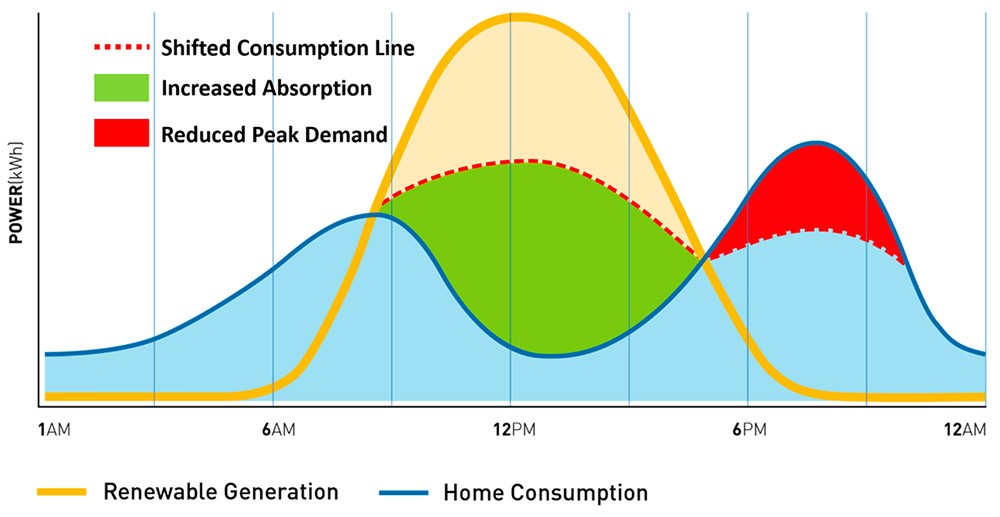
စီးပွားရေးလျှပ်စစ်အခွန်အများအပြားတွင် အများဆုံးကာလအတွင်း အမြင့်ဆုံးလျှပ်စစ်ဓာတ်အား အသုံးပြုမှုအပေါ် အခြေခံထားသည့် တောင်းဆိုငွေများပါဝင်သည်။
ဘက်ထရီ သိုလှောင် မှု က စီးပွားရေး လုပ်ငန်း များ ကို :
လိုအပ်ချက်နည်းသည့်အခါ လျှပ်စစ်ဓာတ်အား သိုလှောင်ပါ
အများဆုံးကာလအတွင်း စွမ်းအင်ထုတ်လွှတ်ခြင်း
ယင်းက အများဆုံးလျှပ်စစ်ဓာတ်အား လိုအပ်ချက်ကို လျှော့ချပြီး လစဉ်လျှပ်စစ်ကုန်ကျစရိတ်ကို လျှော့ချပေးသည်။
ဥပမာအားဖြင့်:
ဇာတ်လမ်း လစဉ် တောင်းဆို မှု အခကြေးငွေ
ဘက်ထရီ မ ပါ ဘဲ ဒေါ်လာ ၅,၀၀၀
ဘက်ထရီ ထိပ်ဆုံး ရိတ်သိမ်း မှု နှင့်အတူ ဒေါ်လာ ၃,၂၀၀
နှစ်စဉ်စုဆောင်းမှု– ဒေါ်လာ ၂၁,၆၀၀
၂. စွမ်းအင် အသုံးချ ချိန်
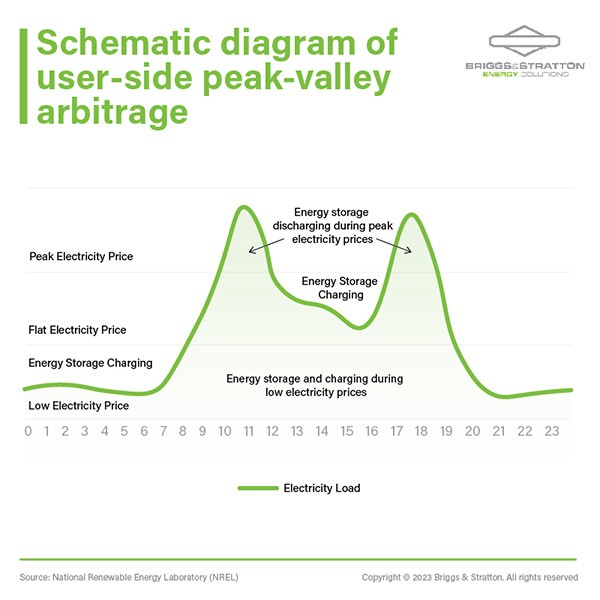
လျှပ်စစ်ဈေးနှုန်းသည် တစ်နေ့လုံး ပြောင်းလဲလေ့ရှိသည်။
ပုံမှန် ဈေးနှုန်း ဖွဲ့စည်းပုံ -
အချိန် လျှပ်စစ်မီး ဈေးနှုန်း
အများဆုံး (ည) နိမ့်
နေ့ဘက် အလယ်အလတ်
အများဆုံး နာရီ အမြင့်
ဘက်ထရီ စနစ် များ သည် ဈေးနှုန်း နည်းပါး သော ကာလ အတွင်း နှင့် ဈေးနှုန်း မြင့်မား သော ကာလ အတွင်း ထုတ် လွှတ် နိုင် ပြီး ၊ စီးပွားရေး လုပ်ငန်း များ ကို ဈေးကြီး သော လျှပ်စစ် ဓာတ်အား ဝယ်ယူ ခြင်း ကို ရှောင်ရှား ရန် ခွင့်ပြု သည် ။
ဤနည်းဗျူဟာကို စွမ်းအင် အလျှော့ပေးခြင်းဟု လူသိများသည်။
၃. နေရောင်ခြည် ကိုယ်ပိုင် သုံးစွဲ မှု ကို အများဆုံး အသုံးပြု ခြင်း
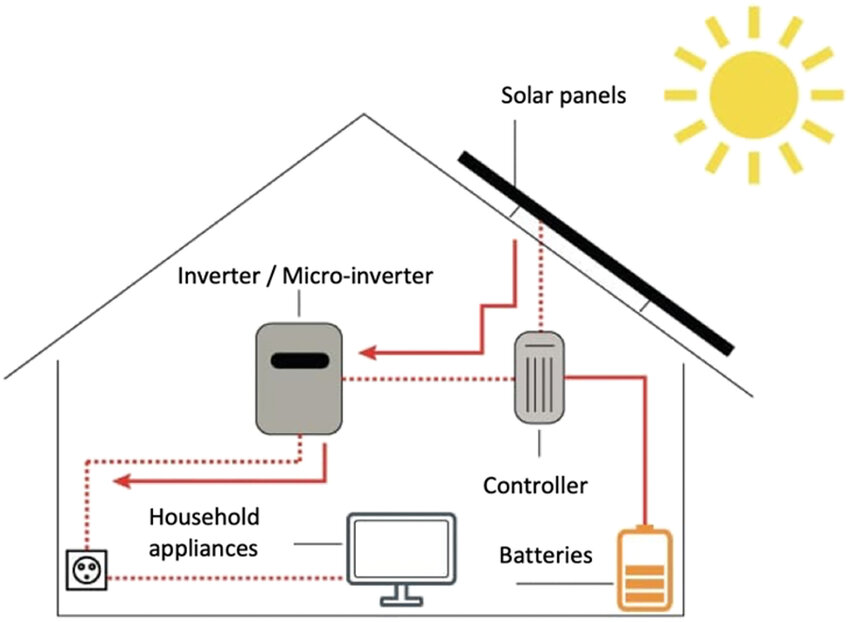
သိုလှောင် မှု မ ရှိ ဘဲ ၊ နေ့စဉ် အတွင်း ထုတ်လုပ် သော ပိုလျှံ နေ သော နေရောင်ခြည် စွမ်းအင် ကို နည်းပါး သော အခွန်ငွေ များ ဖြင့် ဂြိုဟ် စနစ် သို့ တင်ပို့ လေ့ ရှိ သည် ။
ဘက်ထရီသိုလှောင်မှုဖြင့် စီးပွားရေးလုပ်ငန်းများက
နေ့အချိန်တွင် နေစွမ်းအင်ပိုလျှံကို သိုလှောင်ပါ
ညအချိန်မှာ ဒါမှမဟုတ် အများဆုံးအချိန်တွေမှာ အသုံးပြုပါ
လျှပ်စစ်ဓာတ်အား သုံးစွဲမှုကို လျှော့ချပါ
၎င်း သည် ကိုယ်ပိုင် သုံးစွဲ မှု နှုန်း ကို တိုးမြှင့် ပြီး ၊ နေရောင်ခြည် တပ်ဆင် မှု များ ၏ ရင်းနှီးမြှုပ်နှံ မှု အပေါ် အကျိုးအမြတ် ကို တိုးတက် စေ သည် ။
၄. လျှပ်စစ်မီးပြတ်တောက်ချိန်အတွင်း ရပ်တန့်ချိန်ကို ရှောင်ရှားခြင်း
စီးပွားရေးလုပ်ငန်းများစွာအတွက် လျှပ်စစ်ဓာတ်အားပြတ်တောက်မှုသည် ငွေကြေးဆုံးၡုံးမှုများကို ဖြစ်ပေါ်စေသည်။
စက်မှုလုပ်ငန်းများ၊
ထုတ်လုပ်မှု/ဒေတာစင်တာ/လက်လီ/အစားအစာသိုလှောင်ခြင်း/ဆေးရုံများ
ရုတ်တရက် လျှပ်စစ်ဓာတ်အား ပြတ်တောက်တာကို သည်းမခံနိုင်ဘူး။
ဘက်ထရီ သိုလှောင် မှု စနစ် များ သည် ချက်ချင်း အထောက်အကူ စွမ်းအင် ကို ထောက်ပံ့ ပေး ပြီး ၊ လုပ်ဆောင် မှု အနှောင့်အယှက် များ ကို ကာကွယ် ပြီး အရေးကြီး သော ကိရိယာ များ ကို ကာကွယ် ပေး သည် ။
တစ်ကြိမ်တည်းရှောင်ရှားခဲ့သော ပြတ်တောက်မှုတစ်ခုပင်လျှင် စနစ် ရင်းနှီးမြှုပ်နှံမှု၏ တစ်စိတ်တစ်ပိုင်းကို ကျိုးကြောင်းညီညွတ်စေနိုင်သည်။
စီးပွားရေးစွမ်းအင်သိုလှောင်မှုအတွက် ပုံမှန်ပြန်ဆပ်ချိန်ကာလ
စွမ်းအင်သိုလှောင်ခြင်း၏ အကျိုးအမြတ်သည် အချက်အများအပြားပေါ်တွင် မူတည်သည်။
လျှပ်စစ်ဈေးနှုန်း ဖွဲ့စည်းပုံ
တောင်းဆို မှု အခကြေးငွေ
နေရောင်ခြည် ထုတ်လုပ် မှု စွမ်းရည်
ဘက်ထရီ စနစ် ကုန်ကျ စရိတ်
အစိုးရ လှုံ့ဆော် မှု
ပုံမှန်ပြန်ဆပ်ခန့်မှန်းချက်များ
စီမံကိန်းအမျိုးအစား ပြန်ဆပ်ကာလ
နေရောင်ခြည် + သိုလှောင် မှု စီးပွားရေး စနစ် ၄ - ၈ နှစ်
ဘက်ထရီတစ်ခုတည်းဖြင့် ထိပ်ဆုံးရိတ်သိမ်းခြင်း ၃-၇ နှစ်
အရန်စွမ်းအင် ၅-၁၀ နှစ်ရှိသည့် မိုက်ခရိုဂရစ်
ခေတ်သစ် LiFePO4 ဘက်ထရီများသည် ၁၀-၁၅ နှစ်ကြာလေ့ရှိကြောင်း စဉ်းစားကြည့်လျှင် စီးပွားရေးလုပ်ငန်းများသည် ရေရှည် သိသိသာသာ ချွေတာနိုင်ပါသည်။
စွမ်းအင်သိုလှောင်မှုသည် သင့်စီးပွားရေးအတွက် သင့်တော်မသင့်ကို အကဲဖြတ်နိုင်ပုံ
ဘက်ထရီသိုလှောင်ခြင်းကို စဉ်းစားနေသော စီးပွားရေးလုပ်ငန်းများသည် အောက်ပါအချက်များကို ဆန်းစစ်သင့်သည်။
လျှပ်စစ်မီး အခွန်ငွေ ဖွဲ့စည်းပုံ
အသုံးအဆောင်ပစ္စည်း အခကြေးငွေပေးပါသလား။
တောင်းဆို မှု များ ၊
အသုံးပြု ချိန် ဈေးနှုန်း ၊
ရှိပါက သိုလှောင်ထားခြင်းသည် စီးပွားရေးအကျိုးကျေးဇူးများစွာကို ရရှိစေနိုင်သည်။
နေရောင်ခြည်ထုတ်လုပ်နိုင်စွမ်း
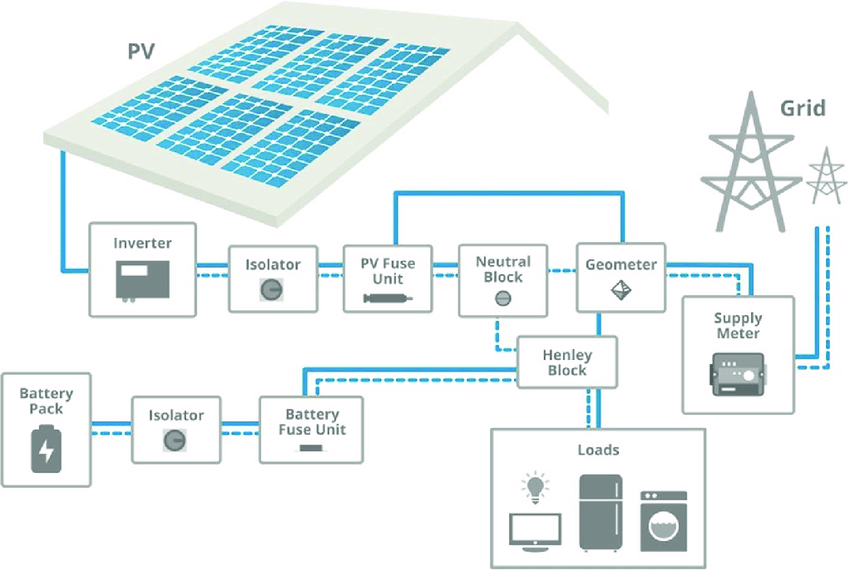
ခေါင်မိုး နေရောင်ခြည် စနစ် များ ရှိ သော အဆောက်အအုံ များ သည် ဘက်ထရီ သိုလှောင် မှု ထပ် ထည့် ခြင်း မှ အကျိုး အများဆုံး ရရှိ သည် ။
နေရောင်ခြည် + သိုလှောင် မှု က ထောက်ပံ့ ပေး သည် ။
စွမ်းအင်ကုန်ကျစရိတ် လျှော့ချ
စွမ်းအင် လွတ်လပ်မှု ပိုမို
စွမ်းအင် ယုံကြည် စိတ်ချ ရ မှု လိုအပ် ချက်
ဒေသများရှိ စီးပွားရေးလုပ်ငန်းများ–
မတည်ငြိမ်တဲ့ ဂရစ်ကွက်များ
မကြာခဏ ပြတ်တောက် မှု
ဝေးလံခေါင်သော စက်မှုနယ်မြေ
အရန်စွမ်းအင် စွမ်းရည် မှ သိသာထင်ရှား သော တန်ဖိုး ရရှိ သည် ။
သင့်တော်သောဘက်ထရီစနစ်ကို ရွေးချယ်ခြင်း
စီးပွားရေး စွမ်းအင် သိုလှောင် မှု အတွက် ၊ စီးပွားရေး လုပ်ငန်း များ သည် ၎င်း ၏ :
ရှည်လျားသောသံသရာသက်တမ်း
မြင့်မား သော လုံခြုံ မှု လုပ်ဆောင် မှု
တည်ငြိမ် သော အပူ အပြုအမူ
ပြုပြင်ထိန်းသိမ်းမှု လိုအပ်ချက် နည်းပါး
ခေတ်သစ် စီးပွားရေးဘက်ထရီစနစ်များတွင်လည်း ပါဝင်သည်–
အသိဉာဏ် ရှိ ဘက်ထရီ စီမံ ခန့်ခွဲ မှု စနစ် ( ဘီအမ်အက်စ် )
모듈러러 တိုးချဲ့နိုင်စွမ်း
စွမ်းအင် စီမံ ခန့်ခွဲ မှု ပေါင်းစပ် မှု
နေရောင်ခြည် တပ်ဆင် သူ များ နှင့် စွမ်းအင် ဖြန့်ဖြူး သူ များ အတွက် ကြီးထွား လာ သော အခွင့်အလမ်း
စီးပွားရေးစွမ်းအင်သိုလှောင်မှုသည် အစားထိုးစွမ်းအင်စက်မှုလုပ်ငန်း၏ အမြန်ဆုံးတိုးများလာသော အစိတ်အပိုင်းတစ်ခုဖြစ်လာသည်။
တပ်ဆင် သူ များ နှင့် ဖြန့်ဖြူး သူ များ သည် ကမ်းလှမ်း ခြင်း ဖြင့် အကျိုးကျေးဇူး ရရှိ နိုင် သည် ။
နေရောင်ခြည် + သိုလှောင် မှု ဖြေရှင်း နည်း များ အပြည့်အစုံ
စွမ်းအင် ကုန်ကျ စရိတ် အကောင်း ဆုံး အတိုင်ပင်ခံ
ဘက်ထရီစနစ် တပ်ဆင်ခြင်းနှင့် ပြုပြင်ထိန်းသိမ်းခြင်း
စွမ်းအင်သိုလှောင်မှုကို စောစောအသုံးပြုသော ကုမ္ပဏီများသည် လုပ်ငန်းဆောင်တာကုန်ကျစရိတ် လျော့နည်းခြင်းနှင့် စွမ်းအင်ခံနိုင်စွမ်း တိုးတက်လာခြင်းမှတစ်ဆင့် ယှဉ်ပြိုင်နိုင်စွမ်းကို ရရှိနိုင်ပါသည်။
နောက်ဆုံး အတွေးအခေါ်
ထို့ကြောင့် ၊ စွမ်းအင် သိုလှောင် ခြင်း သည် စီးပွားရေး လုပ်ငန်း များ အတွက် အကျိုးအမြတ် ရှိ ပါ သလော ။
ဖြစ်ရပ်အများစုတွင် အဖြေမှာ ဟုတ်ပါသည်—အထူးသဖြင့် နေစွမ်းအင်နှင့် စွမ်းအင်စီမံခန့်ခွဲမှုတို့နှင့် ပေါင်းစပ်သည့်အခါ ဖြစ်သည်။
ဘက်ထရီ စွမ်းအင် သိုလှောင် မှု စနစ် များ က ကုမ္ပဏီ များ ကို :
လျှပ်စစ်ကုန်ကျစရိတ်ကို လျှော့ချပါ
ပြတ်တောက် မှု များ မှ လုပ်ဆောင် မှု များ ကို ကာကွယ် ပါ
စွမ်းအင်ထိရောက်မှုကို တိုးတက်စေပါ
ရေရှည်တည်တံ့မှုနည်းဗျူဟာများကို ခိုင်ခံ့စေပါ
လျှပ်စစ်ဈေးနှုန်း ဆက်လက် မြင့်တက်လာပြီး အစားထိုးစွမ်းအင် အသုံးပြုမှု တိုးများလာသည်နှင့်အမျှ စီးပွားရေးစွမ်းအင်သိုလှောင်မှုသည် ကမ္ဘာတစ်ဝန်းရှိ စီးပွားရေးလုပ်ငန်းများအတွက် ပိုမိုတန်ဖိုးရှိသော ရင်းနှီးမြှုပ်နှံမှုတစ်ခု ဖြစ်လာမည်။

 EN
EN
 FR
FR
 ES
ES
 AR
AR
 PT
PT
 TL
TL